
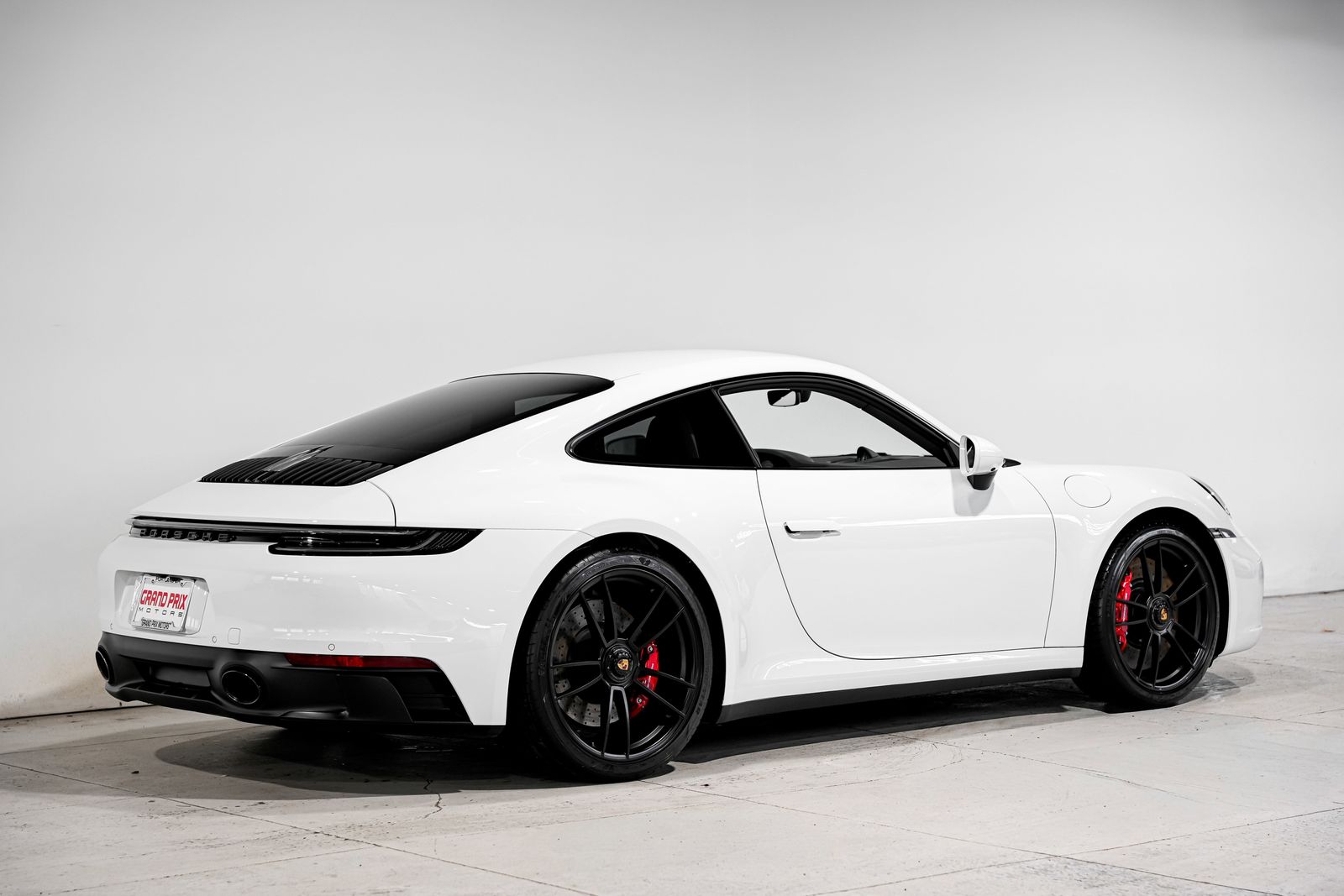
992 vs 991: What Actually Changed Between Porsche 911 Generations
The 911 has changed generation seven times since 1964, but few transitions divide enthusiasts like 991 to 992. Under a familiar silhouette, these are genuinely different cars. Here’s what actually changed.
Timeline
The 991 ran from 2011 to 2019 in two distinct phases. The 991.1(2011–2015) was the last 911 generation to offer naturally aspirated engines on the standard Carrera line — a 3.4-liter in the base car, a 3.8-liter in the S. The 991.2(2016–2019) moved the entire Carrera lineup to turbocharged 3.0-liter engines, closing the book on naturally aspirated 911s outside the GT department. The 992 arrived for the 2020 model year and remains in production today, with a mid-cycle refresh (992.2) bringing further engine and technology updates.
Size and Stance
The 992 is wider than the 991across every trim — wide enough that the standard Carrera now matches the width of the outgoing 991 Turbo. Wheelbase and track grew front and rear. In person the 992 sits more planted, with more aggressive fender flares even on base models.
Engine and Power
Both generations kept the formula: rear-mounted flat-six, turbocharged outside the GT cars. But execution moved forward. The 992 uses a single larger central intercooler in place of the 991’s twin units, with higher compression and improved exhaust flow. Carrera S output climbed from 420 hp in the 991.2 to 443 hpin the 992.1. The GT3 tells a tighter story: the 991.2 GT3’s naturally aspirated 4.0-liter made 500 hp and revved to 9,000 rpm; the 992 GT3 uses a related 4.0-liter making roughly 502 hp. The bigger change was underneath — the 992 GT3 moved to double-wishbone front suspension, a first for a road-going 911, replacing the MacPherson-strut setup every prior generation including the 991 had used.
Transmission
The 991’s PDK dual-clutch ran seven speeds; the 992 added an eighth for smoother, quicker shifts and better efficiency without giving up performance. Manual transmissions remain available on select trims of both generations.
Interior
This is where the two feel most different day to day. The 991 kept a five-dial clusterand a wide field of physical buttons on the center console — deeply Porsche, and increasingly rare in a modern car. The 992 replaced most of that with a fully digital clusterand a large central touchscreen, while keeping the tachometer fixed front and center out of respect for tradition. Depending on what you want from a 911, that’s either a welcome modernization or the thing you’ll miss most.
Handling Character
Owners and mechanics who’ve spent real time in both tend to agree: the 991 feels more analog. The steering talks back more, the chassis feels slightly more alive at the limit — the traits purists chase. The 992 answers with more outright capability: a stiffer body, wider track, refined active suspension, and in GT3 form, genuinely new front-end architecture. It’s less about which is “better” and more about which experience you’re buying.
Reliability
Neither generation carries a defining mechanical weakness, and — worth noting — the bore-scoring and IMS concerns tied to earlier water-cooled 911s do not applyto the 991 or 992. Early 991.1 cars occasionally showed injection and cooling items that Porsche refined out by the 991.2. The 992, still a comparatively young platform, hasn’t shown generation-specific problems — though more technology means more systems that can eventually need attention.
Specs at a glance
- 991.1 (2011–2015)
- NA 3.4L base / NA 3.8L S · 400 hpCarrera S · NA 3.8L GT3 · 7-speed PDK · MacPherson-strut GT3 front · 5-dial analog cluster
- 991.2 (2016–2019)
- Turbo 3.0L flat-six · 420 hpCarrera S · NA 4.0L GT3 (500 hp) · 7-speed PDK · MacPherson-strut GT3 front · 5-dial analog cluster
- 992.1 (2019–present)
- Turbo 3.0L flat-six · 443 hpCarrera S · NA 4.0L GT3 (~502 hp) · 8-speed PDK · double-wishbone GT3 front· digital + central tach
What to check before you buy a used 991 or 992
Service history
Full documented service history; ideally a pre-purchase inspection by a Porsche-focused shop.
Early 991.1 items
On early 991.1 cars, confirm cooling and fuel-system service items were addressed.
PDK health
Smooth low-speed shifts, no shudder; check for any software updates.
Tires and brakes
Tire age and brake wear — factor PCCB replacement cost if the car is carbon-ceramic equipped.
Spec vs sticker
Verify equipment matches the original window sticker (options drive value).
Accident and paint history
Confirm accident/paint history with a records check.
Which is right for you?
Both are legitimate ways to own a 911. The right one comes down to whether you’re chasing the analog feel of a closed chapter or the sharpest, most capable 911 currently built.
FAQ
Is the 991 or 992 the better 911?
Neither is objectively better — they're different. The 991, especially the 991.1, feels more analog and communicative, which purists prize. The 992 is stiffer, wider, and more capable, with newer technology. The right one depends on whether you want the analog feel of a closed chapter or the sharpest current 911.
Which was the last naturally aspirated Carrera?
The 991.1 (2011-2015) was the last standard 911 Carrera line offered with naturally aspirated engines. From the 991.2 onward, all Carreras use turbocharged flat-sixes; naturally aspirated engines continue only in GT models.
Does the 992 come with a manual transmission?
Yes. Like the 991, the 992 offers a manual on select trims, alongside the eight-speed PDK dual-clutch that replaced the 991's seven-speed unit.
What's the biggest mechanical change in the 992 GT3?
The 992 GT3 moved to a double-wishbone front suspension — a first for a road-going 911. Every prior generation, including the 991, used a MacPherson-strut front end.
Is the 991.2 a smart used buy?
The 991.2 is the last 911 generation before the current 992, with production ended and supply that only shrinks. That finality tends to matter to enthusiasts over time, much as it did for earlier air-cooled generations.
Grand Prix Motorcars hand-picks 911s across every generation and delivers nationwide.
Related guides

Shipping a Porsche 911 Across the Country: What to Expect
Buying a car you have not seen in person is the easy part. Getting it to your driveway in the same condition it left the lot is where most of the questions come in. Here is what actually happens between sold and delivered.
Read the guide →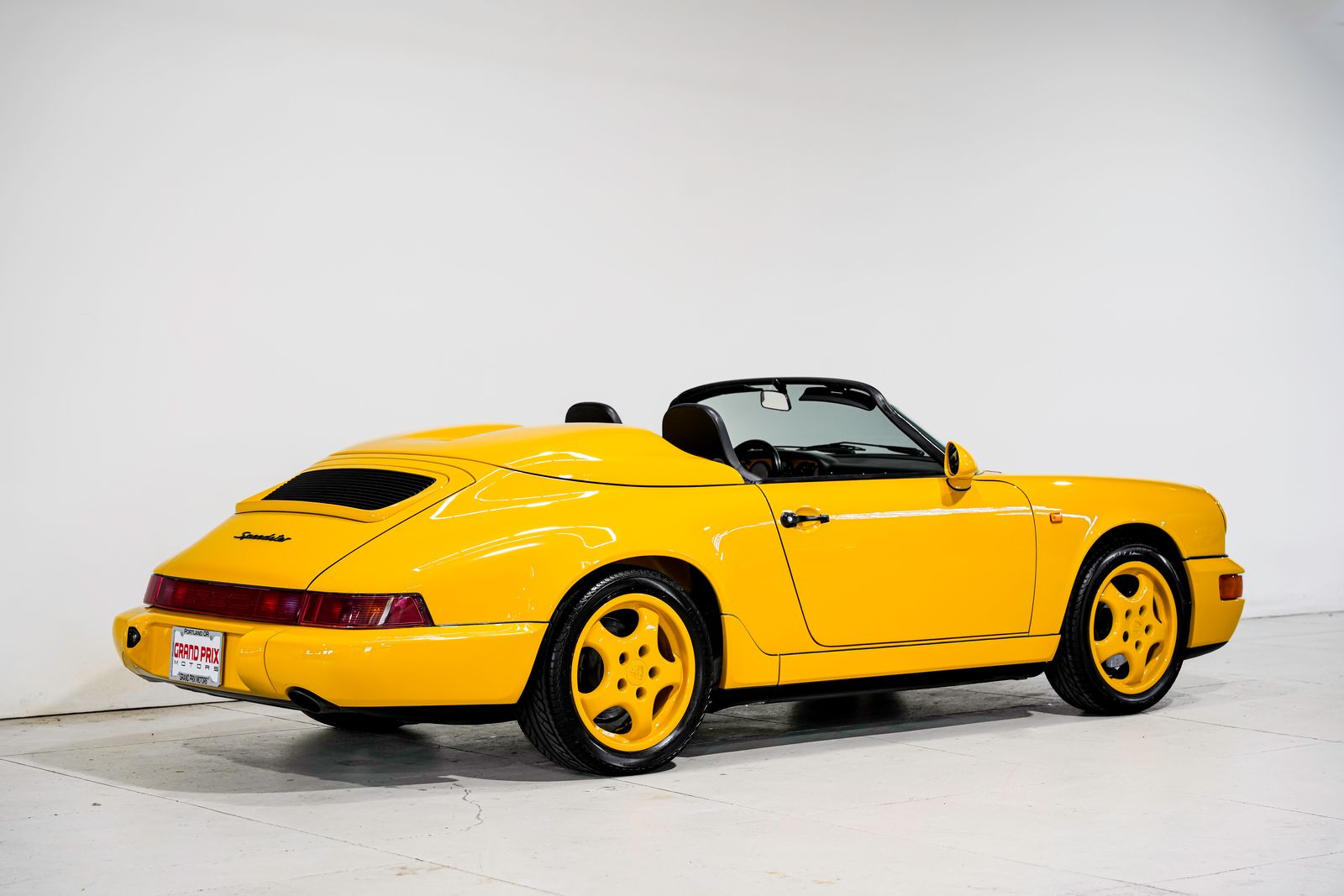
964 vs 993: Choosing Your Air-Cooled 911
The last two air-cooled 911s. The 964 modernised the classic silhouette; the 993 finished the story with multi-link rear suspension and VarioRam. Engineering, driving character, and the PPI checklist for either.
Read the guide →