
Porsche 996 for Sale
The first water-cooled 911 — the generation the market spent fifteen years ignoring and is now quietly catching up to.
In stock now
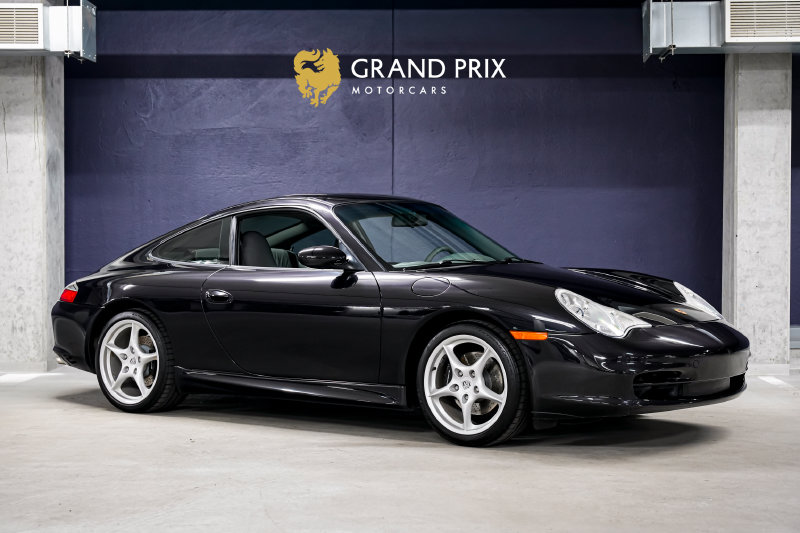 996.2
2003 Porsche 911
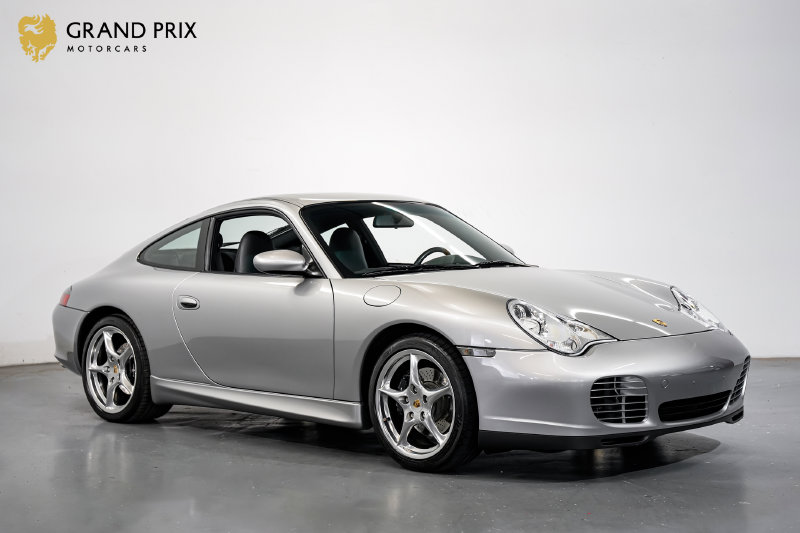 996.2
2004 Porsche 911
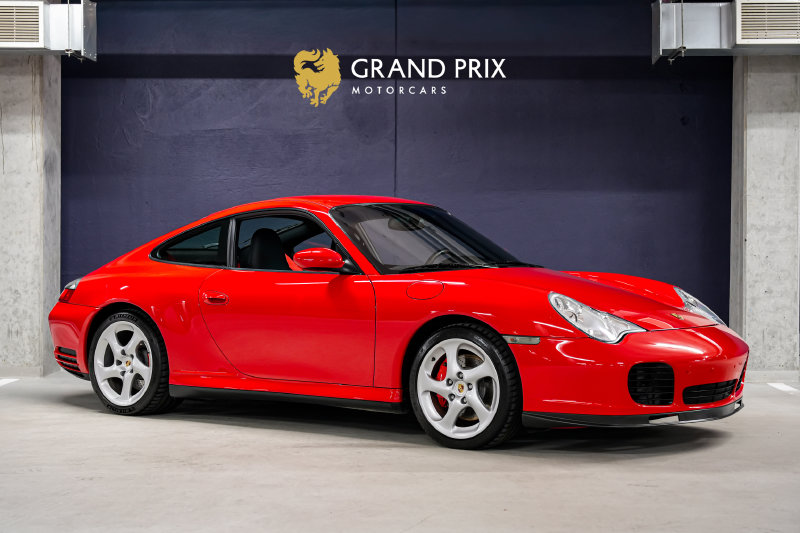 996.2
2004 Porsche 911
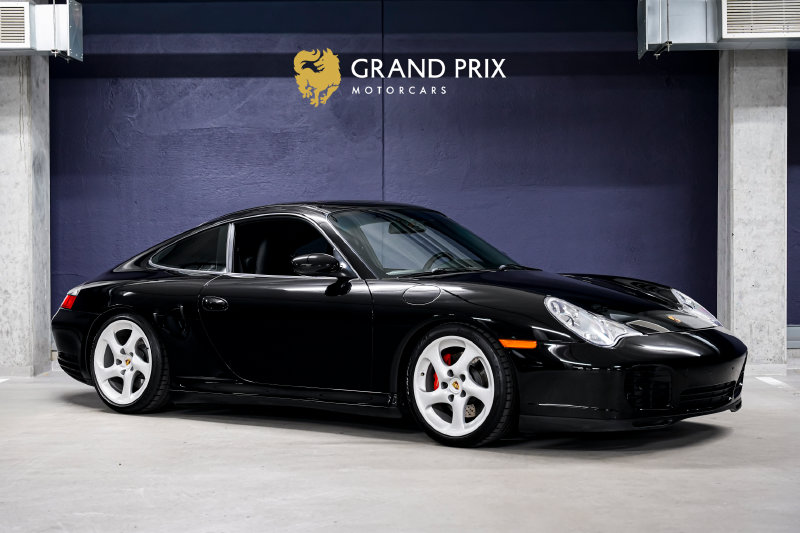 996.2
2004 Porsche 911
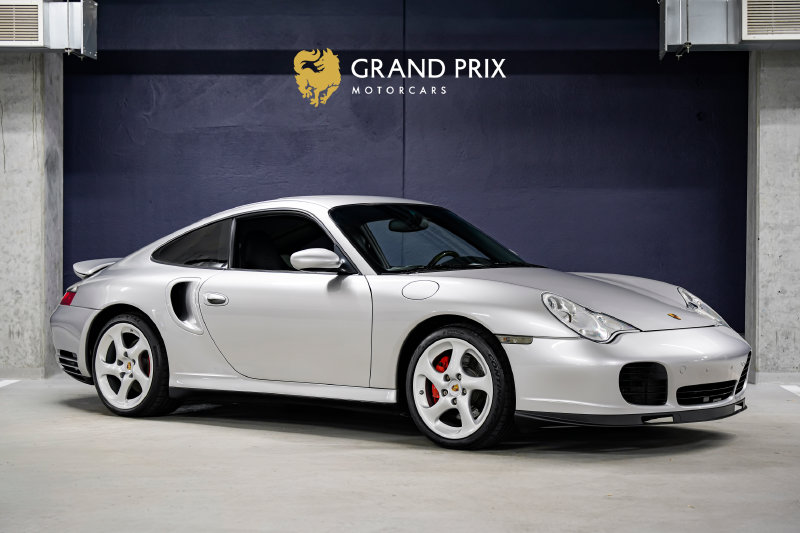 996.2
2002 Porsche 911
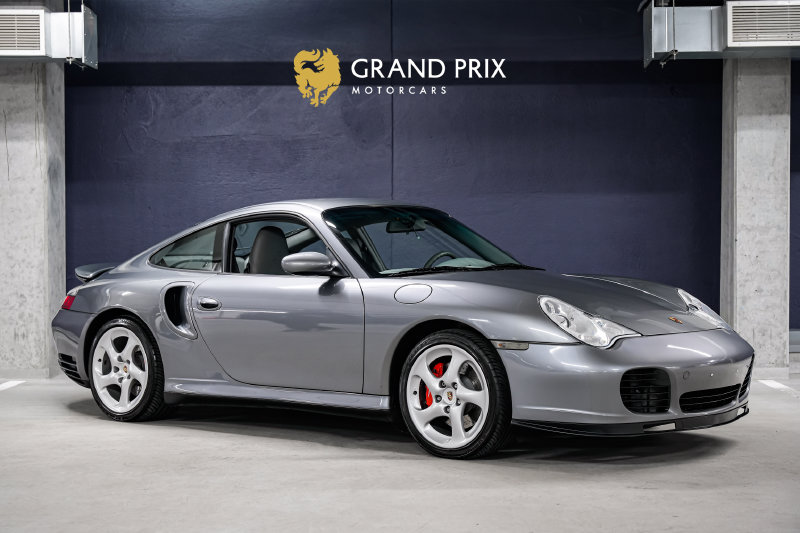 996.1
2001 Porsche 911
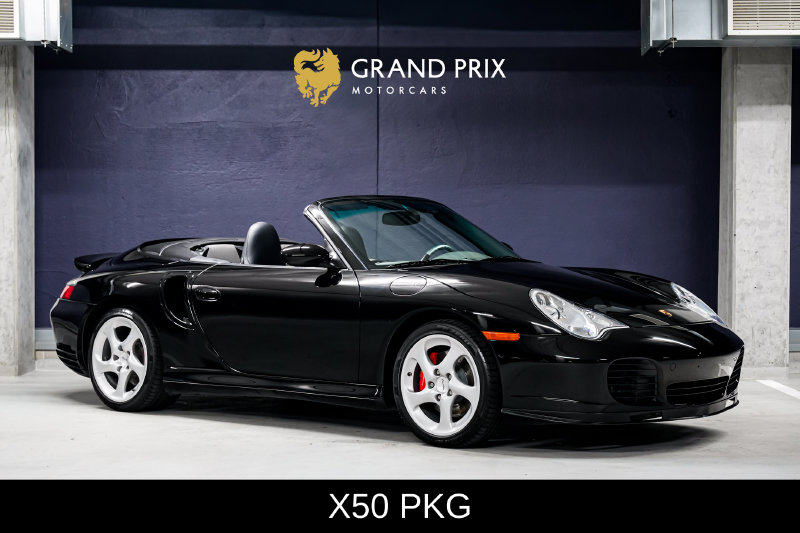 996.2
2004 Porsche 911
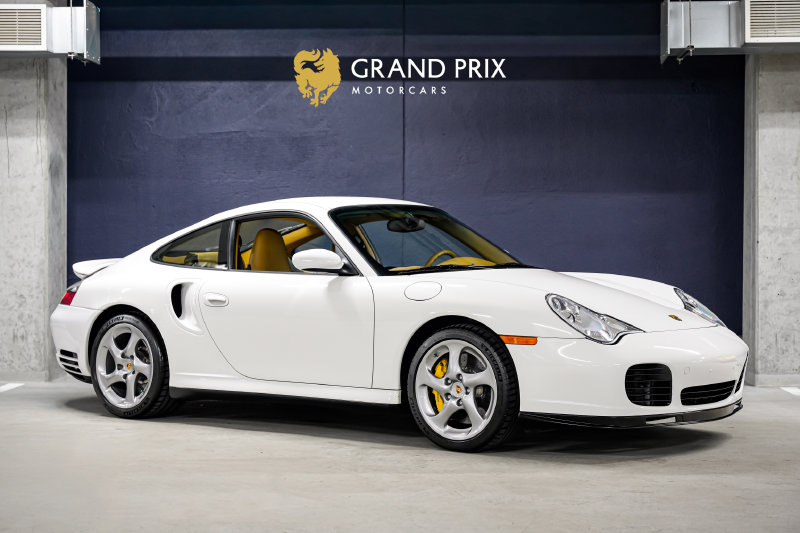 996.2
2005 Porsche 911
 996.2
2004 Porsche 911
Why the 996 is back on buyers' lists
The 996 was the cleanest break in 911 history. Porsche needed a car it could build profitably, share parts with the Boxster, and use to pull the company out of a hard financial period. Water cooling and the shared “fried egg” headlights were the price the badge paid for survival.
For years that made the 996 the cheapest way into a real 911, and values stayed low. That has changed. Enthusiasts noticed what the car always had: a superb chassis, steering with real feel, a precise six-speed manual, and a size and weight that later 911s left behind. The special variants — Turbo, GT3, GT2 and the wide-body Carrera 4S — now draw real collector interest, and values of good examples have been rising.
The 996 is still one of the most affordable ways to own a manual 911. But the gap between a good one and a bad one is wide. That is why history and condition matter more here than on any other generation.
996 generations at a glance — 996.1 vs 996.2
| 996.1 | 996.2 | |
|---|---|---|
| Model years (US) | 1999–2001 | 2002–2004 Carrera; some variants through 2005 |
| Carrera engine | 3.4L flat-six (M96) | 3.6L flat-six (M96) |
| Headlights | “Fried egg” (shared with Boxster) | Revised, Turbo-style |
| Interior | Early 996 dash | Updated interior, glovebox, cupholders |
| Body styles | Coupe, Cabriolet | Coupe, Cabriolet, Targa, Carrera 4S |
| Best for | Lowest entry price | Most buyers: better looks, more choice |
Most buyers end up in a 996.2. The 3.6L engine, revised looks and wider model range make it the sweet spot of the generation.
Every 996 variant, explained
Carrera (Coupe & Cabriolet) — The core 996. Rear-wheel drive, manual or Tiptronic. A natural entry point into 911 ownership.
Carrera 4 — All-wheel drive with the narrow body. A great all-weather 911.
Carrera 4S (2002–2005) — The wide Turbo body and Turbo brakes with the Carrera engine and all-wheel drive. Many think it's the best-looking 996, and demand reflects that.
Targa (2002–2005) — A sliding glass roof and a rear glass hatch. Rare, practical and very different to drive with the roof open.
40th Anniversary 911 (2004) — A limited edition built for the 911's 40th birthday, finished in GT Silver with its own wheels and interior. A collector 996.
Turbo (2001–2005) and Turbo S (2005) — All-wheel drive, twin turbos, and the race-derived “Mezger” engine. No IMS bearing concern.
GT2 (2002–2005) — Rear-wheel drive, Mezger twin-turbo, built for the track. Rare and collectible.
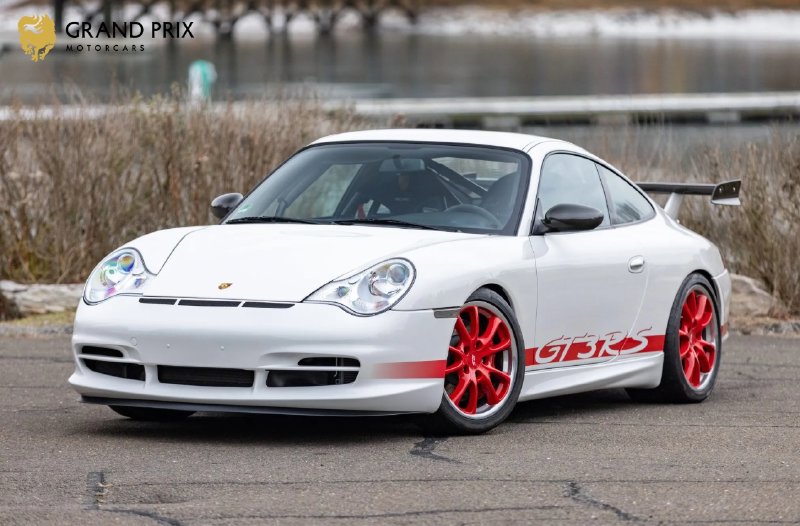
GT3 (US 2004–2005) & GT3 RS — Naturally aspirated Mezger engine, manual only, built to be driven hard. The GT3 RS was never sold new in the US, which makes clean examples here very rare.
Manual vs Tiptronic
Most collectors and enthusiasts want the six-speed manual. Manual cars hold value better and are easier to resell. The five-speed Tiptronic is a fine daily driver and usually costs less, but it trails the manual in demand. If resale matters to you, buy the manual.
What to check before you buy a 996
IMS bearing (Carrera, Carrera 4, 4S, Targa). The intermediate shaft bearing on M96 engines is the issue every 996 buyer has heard about. Look for a documented upgrade (often done with the clutch) or price the risk into the car. Turbo, GT2 and GT3 models use the Mezger engine and don't have this concern.
Rear main seal (RMS). A small oil weep is common. Check how bad it is and whether it was addressed with the clutch.
Bore scoring. More common on high-mileage or hard-driven cars. A borescope check by an experienced Porsche mechanic gives the clear answer.
Cooling system. Radiators, coolant pipes and the expansion tank age. Ask when they were last serviced.
Air-oil separator (AOS). A failing AOS can cause smoke on startup. It's an easy, known fix.
Paperwork. Service records, ownership history and a clean Carfax separate the great cars from the risky ones.
Ask us for a full walkthrough of the exact car — by FaceTime or in person.
How much is a Porsche 996 worth?
Prices depend on the variant, gearbox, mileage and history:
- Carrera and Carrera 4 (Tiptronic, higher miles): the most affordable 911 you can buy.
- Carrera / Carrera 4 manual, documented IMS work: a meaningful premium over unknown-history cars.
- Carrera 4S and Targa: above the Carrera, driven by the wide body and rarity.
- Turbo and Turbo S: a big step up. Manual, low-mileage cars carry a clear premium.
- GT2, GT3, GT3 RS, 40th Anniversary: collector pricing. Every car is valued on its own.
See current asking prices in the inventory above.
Buying a 996 from out of state
Most of our buyers live outside Oregon. Here’s how it works:
- Walkaround video and photos of the exact car, plus the Carfax and window sticker.
- Live video call or in-person visit, whichever you prefer.
- Paperwork handled remotely.
- Delivery to your door, anywhere in the US.
Why buy your 996 from Grand Prix Motorcars
We are independent and Porsche-focused, and we hand-pick our 911s. The 996 rewards careful buying: a sorted car with documented IMS work is a different car from one with question marks. We do the homework before we list the car.
Porsche 996 FAQ
What years is the Porsche 996?
The 996 generation of the 911 was sold in the US for model years 1999 through 2005, depending on the variant. The 996.1 covers 1999–2001. The 996.2 Carrera covers 2002–2004, and some variants (Carrera 4S Cabriolet, Targa, Turbo, GT2, GT3) continued into 2005.
What is the difference between the 996.1 and 996.2?
The 996.2 has a larger 3.6L engine (vs 3.4L), redesigned headlights, an updated interior, and more models, including the Carrera 4S and Targa.
Is the Porsche 996 a good buy?
Yes, if you buy on condition and history. It's one of the most affordable ways into a manual 911, and values of good examples have been rising. Look for documented IMS and service work.
Which 996 models don't have the IMS bearing issue?
The Turbo, Turbo S, GT2, GT3 and GT3 RS use the Mezger engine, which doesn't have the IMS bearing design of the Carrera models.
Is a manual 996 worth more than a Tiptronic?
Generally yes. Manual 996s are in higher demand and hold their value better.
Can I buy a 996 from you if I live in another state?
Yes. Most of our buyers live out of state. We do video walkarounds, handle paperwork and financing remotely, and deliver to your door.
More to explore
Talk to our team
Independent, Porsche-focused — nationwide delivery, full walkthrough by FaceTime or in person.