
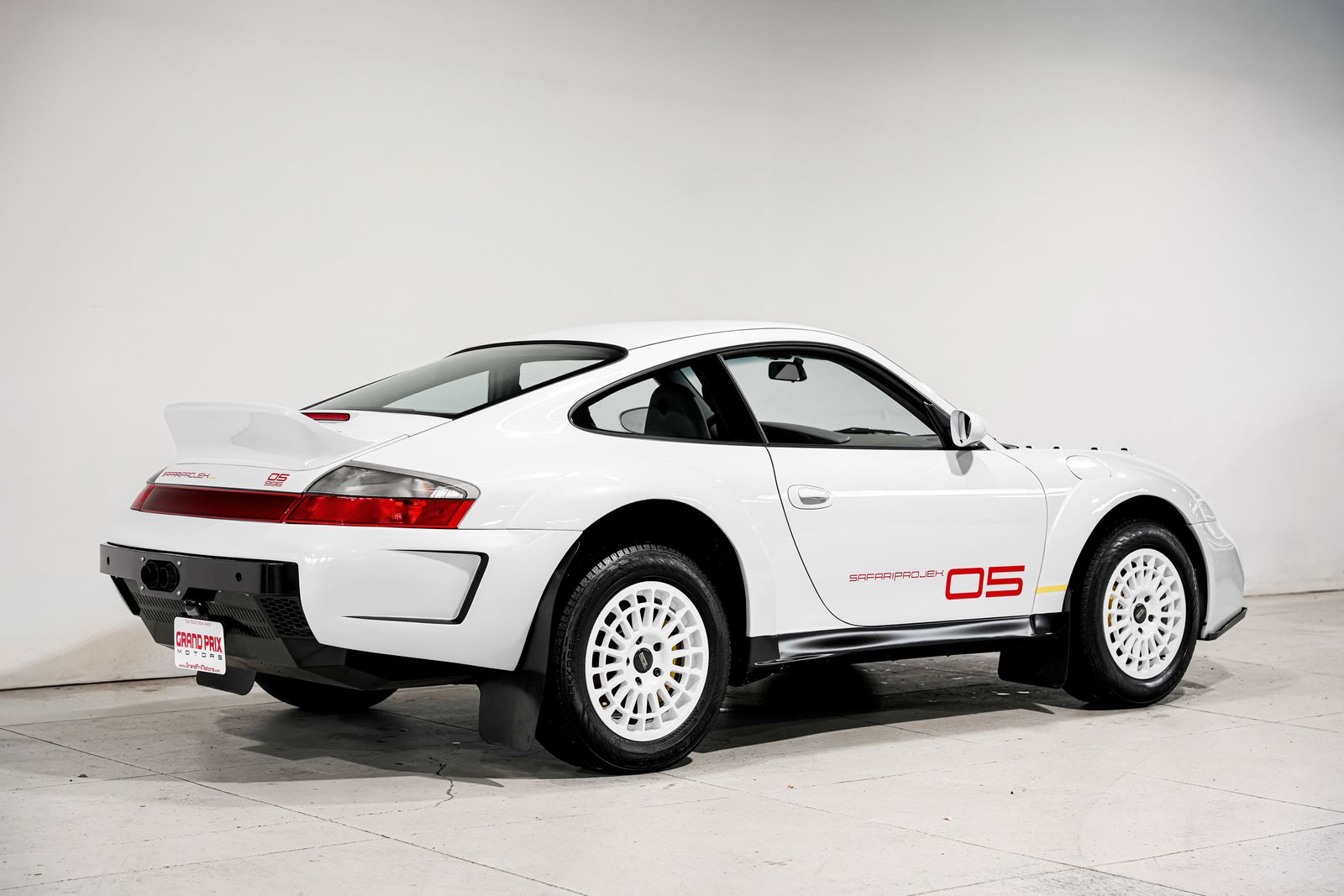
Porsche 911 996 Buyer's Guide: The First Water-Cooled 911
The 996 is the 911 the enthusiast market spent two decades under-valuing. Water-cooled, oddly-lit early cars, a well-publicized bearing conversation, and a shared front-end with the Boxster kept a generation of buyers away. That story is finishing. Here is what the 996 actually is, which trims matter, and what to check.
What is the Porsche 996?
The 996 is the first water-cooled 911. Introduced for the 1999 US model year and produced through model-year 2005 in Carrera form, it was the biggest single break from the earlier 911 formula since 1963: an all-new platform, a water-cooled M96 flat-six, and a front- end and interior architecture shared with the contemporary Boxster.
The 996 replaced the 993, the final air-cooled 911, and preceded the 997, which arrived for MY2005. Everything most buyers respond to about the modern 911 — the six-speed manual, the wide-body Carrera S, the direct-driver relationship of a rear-engine flat-six — started here.
Quick facts
- Generation
- 996 (first water-cooled 911)
- US model years
- 1999–2005
- Base engine, 996.1
- 3.4L M96 water-cooled flat-six
- Base engine, 996.2 facelift
- 3.6L M96 across Carrera / C4 / S / C4S (MY2002+)
- Transmissions
- 5- or 6-speed manual · Tiptronic S automatic
- Turbo / GT engine
- Mezger 3.6L flat-six (separate engine family)
- Preceded by
- 993 (last air-cooled 911)
- Succeeded by
- 997 (MY2005+)
The IMS conversation, honestly
You cannot buy a 996 Carrera responsibly without understanding the intermediate-shaft (IMS) bearing question. The M96 flat-six uses an intermediate shaft driven off the crankshaft to drive the camshafts; the shaft rides on a small sealed ball bearing that can, in some cars, fail. The consequences of a failure range from an oil-pressure warning to a scattered engine.
Two things matter more than any statistic on the topic. First, most 996 Carreras that come to market at this point have already had the bearing replaced or upgraded — the aftermarket solutions (LN Engineering IMS Solution, IMS Retrofit) are well-established, and many owners of records did the work early. Second, the Turbo, Turbo S, GT3, and GT2 variants of the 996 use the earlier Mezgerflat-six architecture — a completely different engine family with no IMS bearing to worry about. Understanding which engine is in the car in front of you is the first move.
On an M96 Carrera, look for: a documented bearing replacement or upgrade with invoice, a documented rear-main-seal (RMS) service, a borescope inspection at PPI, and a service history at a Porsche- experienced shop. All of those are gettable on the market; a car without them is a project.
996.1 vs 996.2 — the facelift
Porsche facelifted the 996 for the 2002US model year. The most visible change was the headlight redesign — the early "fried egg" 996.1 lamps, shared in shape with the first- generation Boxster, were reshaped into a more clearly defined turn-signal and headlight boundary. Under the skin, the Carrera moved from the 3.4L M96 to a 3.6L version of the same engine.
The bigger news for buyers today was the introduction of the Carrera S and C4Swide-body cars alongside the facelift. These use the Turbo's wide bodywork and larger brakes on a naturally-aspirated drivetrain — the visual presence of a Turbo without the Turbo's mechanical complexity. It is one of the reasons a facelift C4S is often the recommended entry point for buyers who want a 996 that ages well in the market.
Trim landscape
- Carrera / Carrera 4 — the volume cars, Coupe, Cabriolet, and Targa. Coupe with the six-speed manual is what most enthusiasts settle on.
- Carrera S / C4S— 996.2 only. Wide-body, Turbo brakes, 3.6L naturally aspirated. AWD C4S adds all-weather confidence.
- Turbo / Turbo S— Mezger 3.6L twin-turbo, all-wheel drive. One example of what to look for. Turbo S arrived for MY2005 in the US.
- GT3— Mezger 3.6L, rear-wheel drive, manual-only. US-market GT3 arrived for MY2004.
- GT2— Mezger twin-turbo, rear-wheel drive, manual-only. The 996's ultimate expression.
- Anniversary Edition— MY2004 40th- anniversary Carrera, an X51-style Powerkit-tuned 3.6L, differentiated interior and exterior. Well-liked by 996 enthusiasts.
What drivers and collectors value
Enthusiast buyers converge on a short list of preferences. The manual gearbox commands a premium across every trim. The wide-body Carrera S / C4S is the Carrera trim most likely to appreciate. Mezger-engined 996 Turbo, Turbo S, GT3, and GT2 variants trade in a distinct collector market and have appreciated strongly. Paint-to-Sample colors and documented original paint carry a premium on any variant.
On the M96 Carreras, documented IMS work + RMS service + a clean borescope matter more than the delta between a 3.4L 996.1 and a 3.6L 996.2. Condition and paper trail buy more upside on this generation than badge does.
PPI checklist, by engine
The M96 Carreras and the Mezger Turbo / GT cars are different engineering families and their PPI priorities differ.
M96 Carrera / Carrera S / C4 / C4S / Targa:
- IMS bearing history— documented replacement or aftermarket upgrade with invoice.
- Rear main seal (RMS)— documented service or a clean seal at inspection.
- Borescopeto check for bore scoring — especially on 3.6L 996.2 cars with mileage.
- Coolant hoses, plastic coolant fittings, and radiators — the M96's plastic fittings age; look for documented replacement.
- Air-oil separator (AOS) condition.
Mezger Turbo / Turbo S / GT3 / GT2:
- Coolant pipeson Turbo-family cars — the well-known Mezger service item; confirm records.
- RSS suspension bolts on early GT3s.
- Documented service history at a Mezger- experienced shop.
We welcome an independent PPI on every car we sell. Our default is to make the car available to whichever inspector you choose, at your expense — the single most useful step for a remote buyer.
Buying a 996 from Grand Prix Motorcars
Grand Prix Motorcars is an independent, Porsche-focused dealer in Portland, Oregon. We hand-pick 996-generation 911s across Carrera, C4S, Turbo, and Turbo S variants, and deliver nationwide, enclosed or open transport, from our showroom.
For remote buyers, a live video walk-around with a specialist — FaceTime, WhatsApp, or Zoom — is the standard we use instead of an in-person visit. Custom photos of specific areas and PPI coordination with your chosen shop are available on request. Browse our current 996 inventory, or return to the full 996 generation hub for context on the platform as a whole.
FAQ
What years is the Porsche 996?
US model years 1999 through 2005 for the Carrera line. It was the first water-cooled 911, replacing the air-cooled 993, and preceded the 997 which arrived for MY2005.
What is the difference between the 996.1 and 996.2?
The 996.2 is the MY2002+ US facelift. Headlights were redesigned away from the early Boxster-shared "fried egg" shape, the Carrera engine grew from 3.4L to 3.6L, and the Carrera S and C4S wide-body variants were introduced.
Do 996 Turbo and GT cars have the IMS bearing issue?
No. The 996 Turbo, Turbo S, GT3, and GT2 use the earlier Mezger flat-six architecture, which has no intermediate shaft. The IMS-bearing failure mode applies only to the M96 engines in the Carrera line.
What should a PPI focus on for a 996 Carrera?
IMS bearing history and any documented replacement or upgrade, RMS service, a borescope for bore scoring, coolant system condition, and service history at a Porsche-experienced shop.
Which 996 trims tend to appreciate?
The wide-body Carrera S and C4S (996.2 only), and the Mezger-engined Turbo, Turbo S, GT3, and GT2 variants. Manual gearboxes command a premium across every trim.
Grand Prix Motorcars hand-picks 996-generation 911s across Carrera, S, C4S, Turbo, and Turbo S variants and delivers nationwide.
Related guides

Shipping a Porsche 911 Across the Country: What to Expect
Buying a car you have not seen in person is the easy part. Getting it to your driveway in the same condition it left the lot is where most of the questions come in. Here is what actually happens between sold and delivered.
Read the guide →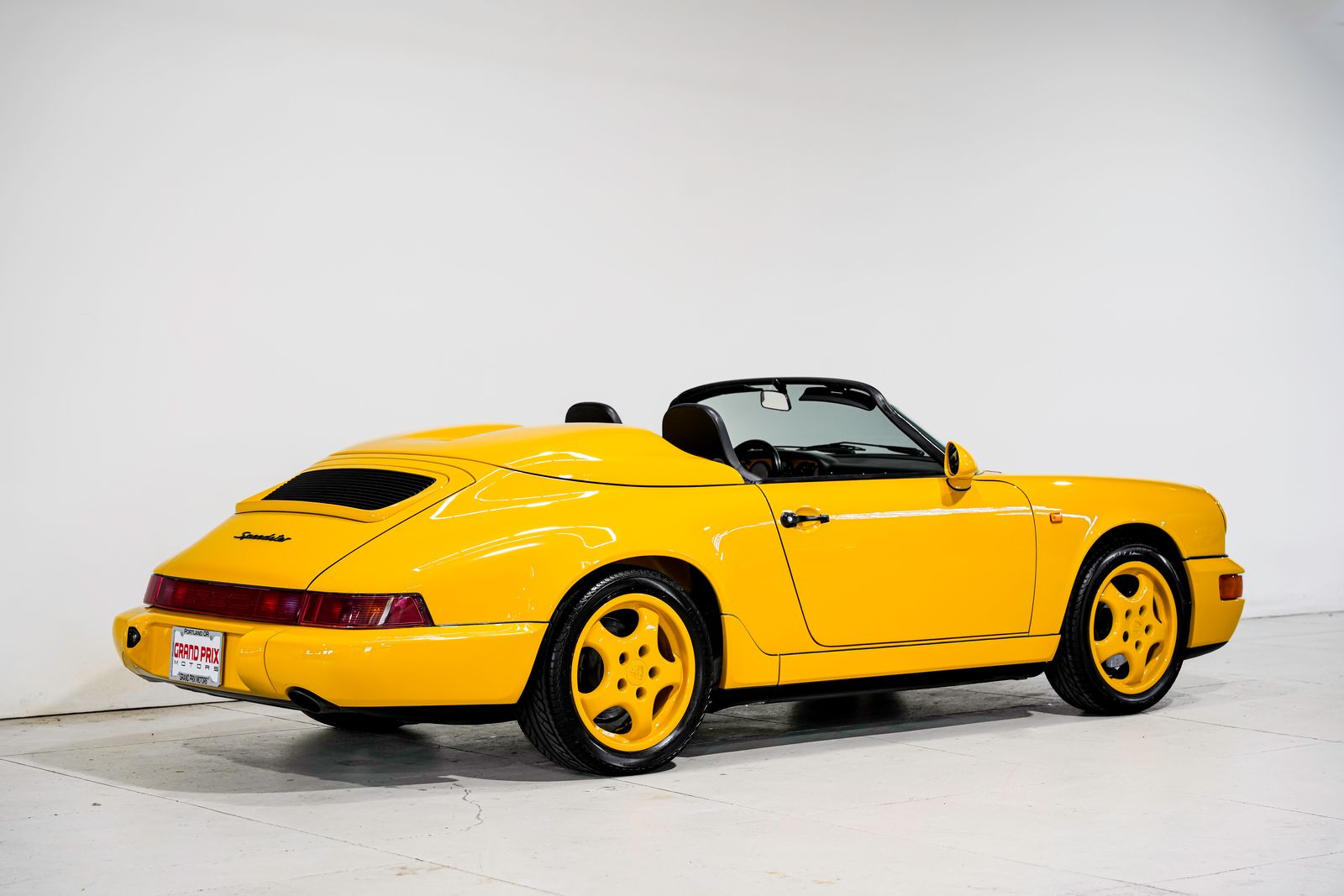
964 vs 993: Choosing Your Air-Cooled 911
The last two air-cooled 911s. The 964 modernised the classic silhouette; the 993 finished the story with multi-link rear suspension and VarioRam. Engineering, driving character, and the PPI checklist for either.
Read the guide →