

Shipping a Porsche 911 Across the Country: What to Expect
Buying a car you haven’t seen in person is the easy part. Getting it to your driveway in the same condition it left the lot is where most of the questions come in. Here’s what actually happens between “sold” and “delivered.”
Open Carrier vs. Enclosed Transport
This is the first decision, and it’s mostly about what the car is worth to you.
Open carrieris the same multi-car trailer you see hauling new cars to dealerships. It’s the standard, most economical option, and for a daily-driver-condition car it’s perfectly reasonable. The tradeoff is exposure to road debris and weather during transit.
Enclosed transportfully encloses the car, protecting it from rock chips, weather, and road grime. It costs more — often 40–60% above open carrier pricing — but it’s the standard choice for collector-grade, low-mileage, or freshly-detailed cars where paint condition matters. For most of the cars in our inventory, we’d lean toward enclosed.
Neither option is “wrong.” It’s a question of how much the paint and presentation matter to you relative to the cost difference.
How Long It Takes
Transit time depends on distance and route density, not just mileage:
- Regional (under ~500 miles):often 1–3 days
- Cross-country (coast to coast):typically 7–10 days
- Everything in between: scales roughly with distance, plus a few days of scheduling lead time before pickup
Carriers rarely commit to an exact delivery date up front — most quote a pickup window and an estimated transit time. Build a few days of buffer into your expectations, especially during winter months or around holidays.
What Insurance Actually Covers
Every legitimate auto transport carrier carries cargo insurance, but coverage amounts vary widely between companies. Before booking:
- Ask for the carrier’s certificate of insurance and confirm the cargo coverage limit
- Confirm whether the policy covers the full value of your specific car — a six-figure 911 needs a policy that actually covers it
- Understand the deductible and claims process before the car is picked up, not after
If a broker (rather than the carrier itself) is coordinating your shipment, ask specifically which carrier will physically transport the car and verify that carrier’s insurance directly.
What Happens at Pickup and Delivery
A proper transport should include a bill of lading — a condition report completed and signed at both pickup and delivery. This is your protection:
- At pickup, the driver documents the car’s condition with photos and notes any existing marks or wear.
- At delivery, you inspect the car against that same report before signing for it.
Take your time at delivery. Walk the full exterior in good light, check the wheels and lower panels, and don’t sign off until you’re satisfied the car matches its pickup condition. Any discrepancy needs to be noted on the delivery paperwork on the spot — not discovered and reported the next day.
Where This Fits With Buying From Grand Prix Motorcars
We arrange nationwide delivery from Portland, Oregon, and can walk you through carrier selection, insurance verification, and timing for your specific car and destination. If you’d like to see the car in more detail before committing to shipping, we’re also happy to do a live video walk-around over FaceTime, WhatsApp, or Zoom.
Related reading: what a real remote purchase looks like and how to buy a Porsche 911 out of state.
Grand Prix Motorcars is an independent, Porsche-focused dealer in Portland, Oregon, delivering nationwide.
FAQ
What is the difference between open carrier and enclosed transport?
Open carrier is a multi-car trailer with the car exposed to road debris and weather. Enclosed transport fully covers the car and typically costs 40 to 60 percent more. For collector-grade or low-mileage Porsches, enclosed is the standard choice.
How long does cross-country Porsche shipping take?
Coast to coast typically 7 to 10 days once picked up, plus a few days of scheduling lead time before pickup. Carriers usually quote a window rather than an exact date.
What insurance do auto transport carriers carry?
Legitimate carriers all carry cargo insurance, but coverage limits vary widely. Before booking, request the certificate of insurance and confirm it covers the full value of your specific car. If a broker is coordinating, verify the physical carrier separately.
What is a bill of lading?
A condition report signed at both pickup and delivery. The driver documents the car condition with photos at pickup. At delivery, you inspect the car against that report before signing. Any discrepancy must be noted on the delivery paperwork on the spot, not after.
Grand Prix Motorcars hand-picks Porsches and delivers nationwide — carrier selection, insurance verification, and timing tailored to your car and destination from Portland, Oregon.
Related guides
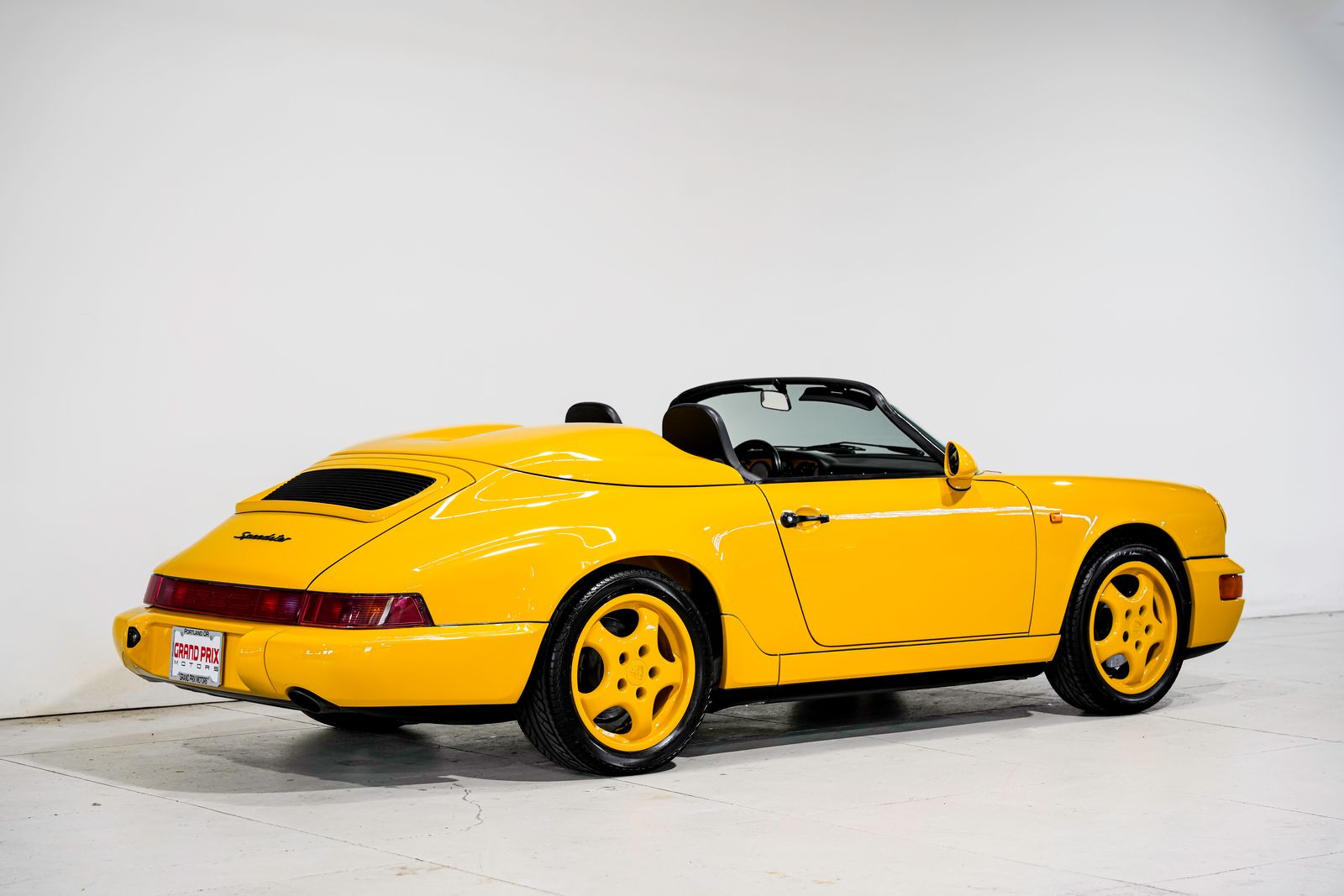
964 vs 993: Choosing Your Air-Cooled 911
The last two air-cooled 911s. The 964 modernised the classic silhouette; the 993 finished the story with multi-link rear suspension and VarioRam. Engineering, driving character, and the PPI checklist for either.
Read the guide →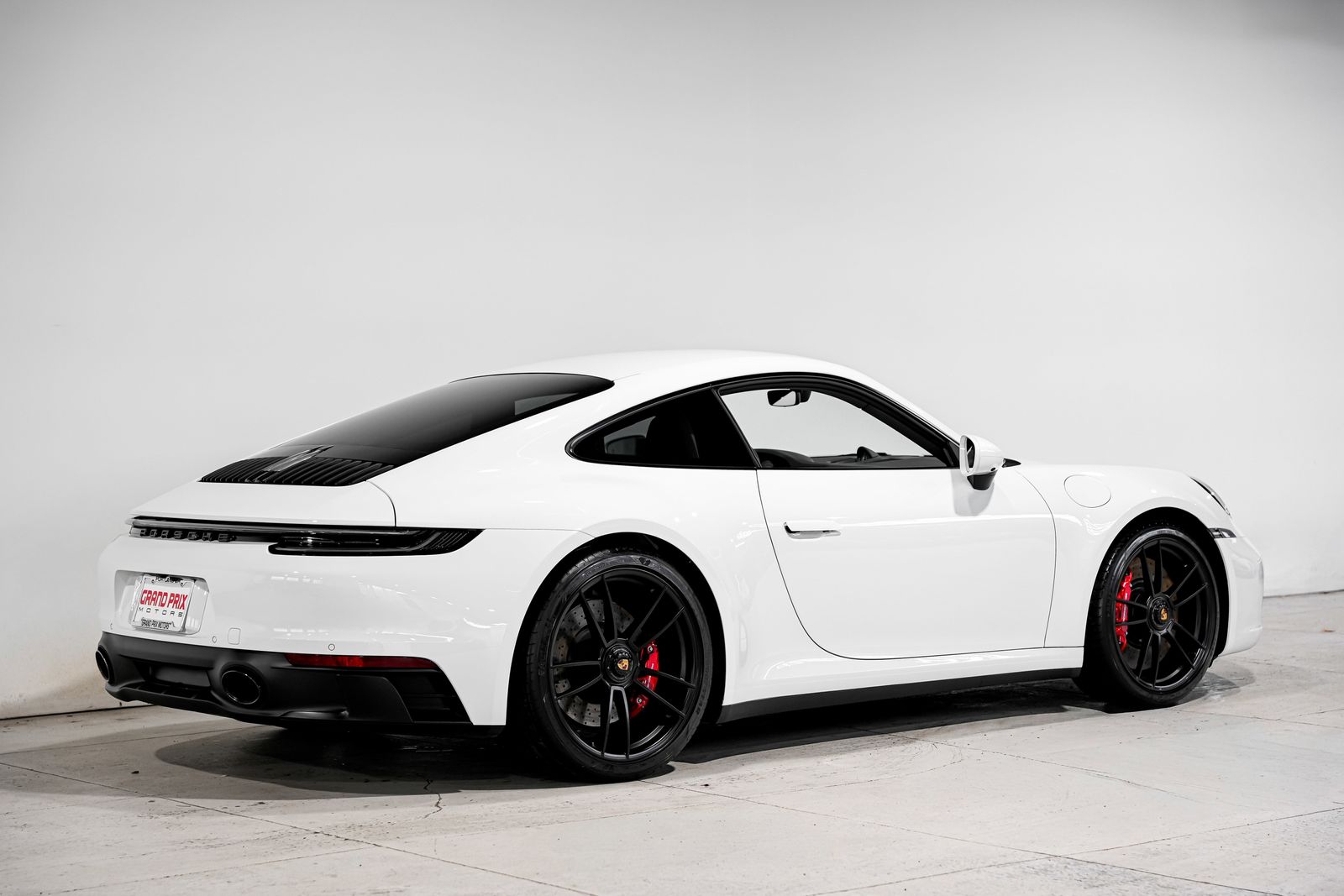
992 vs 991: What Actually Changed Between Porsche 911 Generations
Wider, quicker, more digital — and a different car underneath. Timeline, engines, transmission, interior, handling, reliability, and the PPI checklist for a used 991 or 992.
Read the guide →